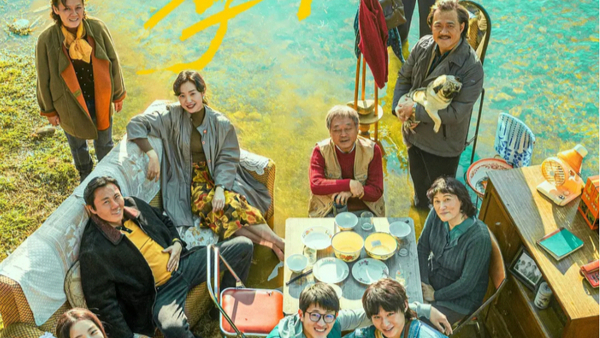
The Long Season
Overview
The Long Season is a Chinese suspense drama series that captivates audiences through its authentic portrayal of life in Northeast China from 1997 to 2016. Directed by Xin Shuang, the series intricately weaves together themes of aging, fate, and societal changes, offering a vivid depiction of the region's culture and the resilience of its people. The show has garnered significant acclaim, achieving a high rating on Douban and stimulating widespread discussion on social media platforms.
Setting and Characters
The series is set in the fictional industrial city of Hualin in Northeast China, a region historically associated with vibrant cultural and industrial activity. The plot revolves around Wang Xiang, a former train driver turned taxi driver, who, along with his brother-in-law Gong Biao and retired police officer Ma Desheng, unravels the truth behind the mysterious death of Wang Xiang's son, Wang Yang, 18 years after the incident.
Fan Wei and Qin Hao star as Wang Xiang and Gong Biao, respectively, bringing authenticity to their roles with nuanced performances that resonate with audiences familiar with northeastern dialects and humor. The characters reflect a blend of personal traits observed in the director's family members, adding a layer of personal connection and cultural authenticity to the narrative.
Cultural and Social Context
The Long Season offers an insightful exploration of Northeast China's socio-cultural landscape. The region, often stereotypically associated with humor, gangs, and poverty, is portrayed with depth and nuance. The series breaks these stereotypes by focusing on the optimistic and resilient spirit of the northeastern people, depicted through the characters' humor and determination in the face of adversity.
The drama highlights the transitional period from 1997 to 2016, a significant era of economic and social transformation in China. Through its characters, the series reflects the broader narrative of workers and families adapting to changes brought about by industrial decline and evolving societal norms, capturing the essence of the northeastern spirit.
Narrative Structure and Visual Style
The Long Season employs a non-linear narrative structure, using visual cues rather than explicit timelines to convey the transitions between 1997, 1998, and 2016. This approach enhances the suspense and emotional depth of the story, allowing audiences to experience the interconnectedness of past and present events.
The series is visually characterized by its use of warm colors, which Xin Shuang uses to evoke a sense of optimism and warmth, contrasting with the often cold and bleak portrayal of crime dramas. This stylistic choice underscores the emotional resilience and positivity of the northeastern people, setting a unique tone for the genre.
Music and Literary Influence
Music plays a significant role in The Long Season, with the soundtrack featuring a mix of independent rock and classical music that complements the series' themes and narrative transitions. The collaboration between Xin Shuang and composer Ding Ke results in a dynamic and evocative musical landscape that enriches the viewing experience.
Additionally, the series incorporates poetry by Ban Yu, a representative of the Northeastern Literary Renaissance. The inclusion of literary elements underscores the cultural richness of the region and provides a poetic lens through which the story's timelines and themes are explored.
Reception and Impact
Upon its release in April, 2023, The Long Season quickly became one of China's highest-rated TV series on Douban, reflecting its widespread acclaim and popularity. The series not only resonated with audiences for its engaging plot and compelling characters but also for its cultural authenticity and insightful portrayal of northeastern China.
Director Xin Shuang's previous success with The Bad Kids, coupled with The Long Season's ability to transcend the typical boundaries of the suspense genre, has positioned him as a prominent figure in Chinese television. The series' emphasis on deep character development and cultural storytelling sets a new benchmark for future Chinese suspense dramas.
Themes and Symbolism
The Long Season intricately weaves together themes of time, fate, and personal growth. The series uses the murder case as a catalyst to explore the deeper values and beliefs of its characters, highlighting their resilience and adaptability in the face of life's uncertainties. Snow, a recurring motif, symbolizes both hope and closure, reflecting the cyclical nature of life and the promise of renewal.
The series also delves into familial relationships, particularly the father-son dynamic, as expressed through Wang Xiang's evolving relationship with his sons. This theme resonates with the broader societal shift in China towards more open expressions of love and familial bonds, reflecting changing cultural attitudes over the decades.
Literary and Artistic Contributions
The Long Season is part of a broader cultural movement known as the Northeastern Literary Renaissance, characterized by a resurgence of literary and artistic works that explore the region's unique cultural identity. Writers like Ban Yu, Zheng Zhi, and Shuang Xuetao have significantly contributed to this movement, bridging the gap between literary and commercial interests.
Their works, often adapted into films and TV series, provide rich narratives that capture the complexities of life in Northeastern China. The Long Season, through its script and visual storytelling, embodies this renaissance by offering a nuanced and authentic representation of the region's culture and history.
The Role of Humor
Humor is a defining characteristic of The Long Season, infused into the dialogues and interactions of the characters. Northeastern humor, known for its wit and resilience, is portrayed as a coping mechanism for the characters as they navigate life's challenges. This humor, deeply rooted in the cultural fabric of the region, adds a layer of authenticity and relatability to the series.
The series' ability to balance humor with suspense and drama is a testament to the skillful writing and direction, allowing it to connect with audiences on multiple levels. The portrayal of humor as a source of strength and solidarity highlights the enduring spirit of the northeastern people.
Audience Engagement and Legacy
The Long Season has sparked significant discussions among audiences, particularly on social media platforms like Sina Weibo, where its themes and characters continue to resonate with viewers. The series' success underscores the importance of storytelling that reflects the lived experiences and cultural nuances of its audience.
By capturing the essence of Northeast China and its people, The Long Season not only entertains but also educates viewers about the region's rich history and cultural identity. Its legacy is one of cultural appreciation and understanding, paving the way for future productions that celebrate the diversity of Chinese society. Article reference1. Hit suspense drama evokes nostalgia for Northeast China. chinadaily.com.cn. 20232. Warmhearted look at life in a cold climate evokes sweet memories of home. chinadaily.com.cn. 20233. Audiences drawn to changing times. chinadaily.com.cn. 2023Photo Gallery(1 picture)CategoriesLiteratureTagModern and Contemporary LiteratureChinese Modern LiteratureCatalogue1. Overview2. Setting and Characters3. Cultural and Social Context4. Narrative Structure and Visual Style5. Music and Literary Influence6. Reception and Impact7. Themes and Symbolism8. Literary and Artistic Contributions9. The Role of Humor10. Audience Engagement and Legacy- - - []








